What makes pop culture references an effective tool in media is that a significant portion of the audience is familiar with the reference and may even know where it's from. So, when a reference is made, the work of media making reference is automatically associated with the source of that reference. Every time someone mentions "the force," viewers immediately think of Star Wars, and their interest in the work increases (if they like Star Wars), even if "the force" is in reference to something completely different within the work.
However, simply name-dropping a reference isn't enough. Doing so is little more than mooching off the success of another work, and a piece of media should thrive on it's own merits, not the merits of something else's. This doesn't mean pop culture references are bad, it just means they should be used wisely.
If you want an example of pop culture reference done badly, watch any film by Friedberg and Seltzer. At your own risk.
However, a pop culture reference can just as easily enhance the viewing experience of a story when done properly and in reverence to the source of the reference. To illustrate this point, take Pixar's Wall-E and it's liberal use of 2001's HAL9000 character as a pop culture reference for example. What makes this a good example is how much Pixar based Auto on HAL and how similar the characters are as a result. This meant Pixar could weave HAL's storyline into Auto's, thus referencing 2001 and drawing on the fandom of that film, while still telling it's own story. And really, the parallels are numerous.
For starters, Auto even LOOKS like HAL.
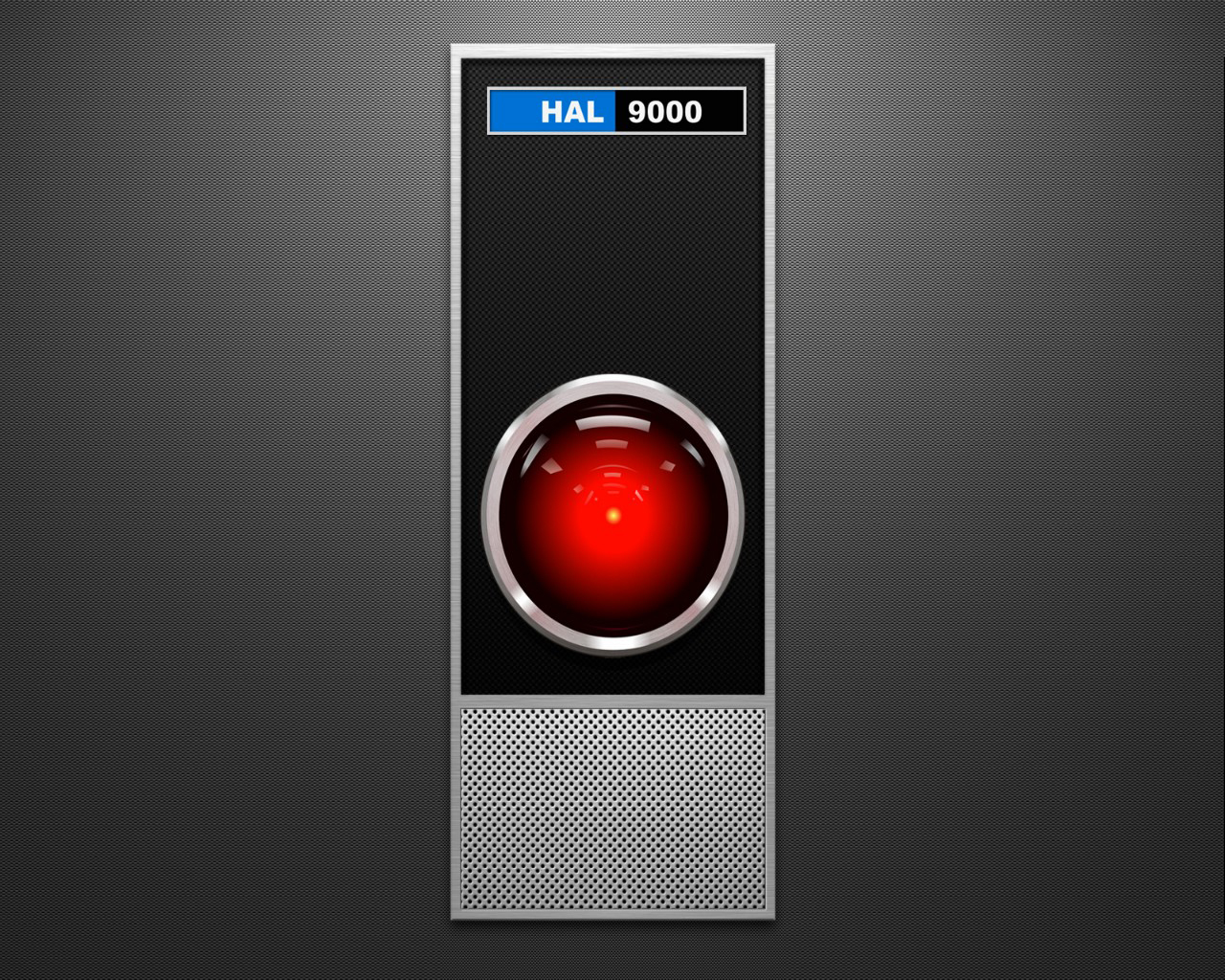

But beyond that, HAL's mission in 2001 is to keep a secret from the crew. Watch this video:
Hmmmm. Interesting. But even more interesting, Dave had to get back onboard the discovery to turn HAL off. Does this ring a bell?
Yeah, awesome. Wait, what's that music being played?
Oh... Nice. So there you have it, Auto is very heavily based on HAL, but instead of exporting (pardon the programming pun) the character from one film to another, Auto is his own character, thus maintaining originality, but while still drawing inspiration from another popular film having a similar plot to follow as HAL's.
Shouldn't be surprised that this was done well - it is Pixar after all.
- Ginsengaddict

No comments:
Post a Comment